
Developmental Milestones in Indian Children: What Parents Should Know
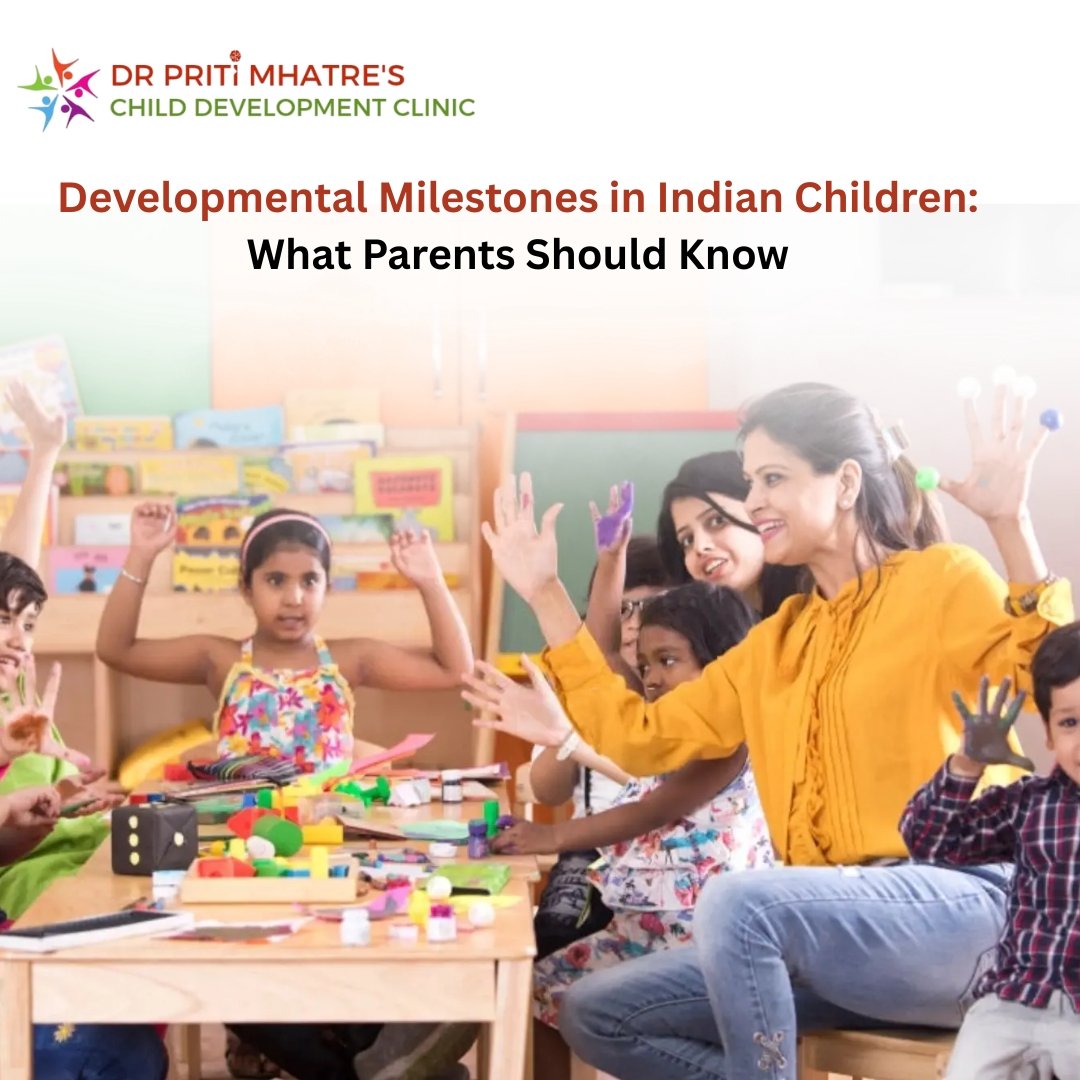
Every parent eagerly waits for their child’s first smile, first word, and first steps. These moments are not just milestones to celebrate—they are also important indicators of a child’s overall development. Understanding developmental milestones helps parents recognize how their child is growing and when extra support may be needed.
For Indian families, awareness of milestones is especially important because cultural expectations, family structures, and schooling systems can influence how children develop. Knowing what is typical and what may need attention can bring reassurance and clarity.
What Are Developmental Milestones?
Developmental milestones are skills or abilities that most children achieve by a certain age. They reflect how a child’s brain and body are developing. Milestones are generally grouped into five key areas:
- Gross motor skills (sitting, walking, running)
- Fine motor skills (grasping, drawing, using utensils)
- Speech and language (babbling, words, sentences)
- Cognitive skills (thinking, learning, problem-solving)
- Social and emotional development (interaction, emotions, relationships)
Children develop at their own pace, but milestones offer helpful age-related guidance.
Age-Wise Developmental Milestones
Birth to 6 Months
During early infancy, babies begin to smile, respond to sounds, make eye contact, and show head control. They start cooing and recognizing familiar voices, especially parents and caregivers.
6 to 12 Months
Babies typically sit without support, crawl, and may begin standing with support. Babbling becomes more complex, and they respond to their name. Socially, they show attachment to caregivers and may develop stranger anxiety.
1 to 2 Years
Toddlers start walking independently, pointing to objects, following simple commands, and saying a few meaningful words. They enjoy imitation and begin expressing emotions more clearly.
2 to 3 Years
At this stage, children start forming short sentences, running, climbing, and engaging in pretend play. They become more independent but may show tantrums as they learn emotional control.
3 to 5 Years
Preschoolers develop better language skills, social interaction, and fine motor control. They can draw basic shapes, follow routines, and play cooperatively with peers.
Understanding Variations in Indian Children
In India, extended families, multilingual environments, and diverse cultural practices influence child development. For example, children exposed to multiple languages may speak slightly later but often develop strong communication skills over time.
Comparisons with siblings or neighbors can create unnecessary worry. It’s important to remember that variation is normal, and milestones are ranges—not fixed deadlines.
Common Red Flags Parents Should Watch For
While variation is expected, certain signs may indicate the need for evaluation:
- No babbling or social smile by 6 months
- Not sitting by 9 months
- No meaningful words by 18 months
- Difficulty understanding simple instructions by 2 years
- Poor eye contact or lack of social interaction
- Loss of previously acquired skills
Early identification allows timely intervention, which significantly improves outcomes.
The Importance of Early Screening and Evaluation
Regular developmental screening helps identify delays early. In India, many delays go unnoticed because children are expected to “catch up later.” However, early support can prevent future academic, behavioral, and emotional challenges.
A developmental pediatrician assesses a child’s overall development, behavior, learning, and social skills. This evaluation helps determine whether a child needs monitoring, therapy, or reassurance.
How Parents Can Support Healthy Development
Parents play a vital role in nurturing development:
- Talk and read to your child daily
- Encourage play-based learning
- Limit excessive screen time
- Provide opportunities for physical activity
- Maintain predictable routines
- Offer positive reinforcement and emotional support
Simple, consistent interactions often have the strongest impact.
When Should Parents Seek Professional Help?
Parents should consult a specialist if they notice delays, behavioral concerns, or if their instincts say something isn’t right. Seeking guidance does not mean something is “wrong” with your child—it means you are supporting them in the best possible way.
Early guidance can help children build confidence, communication skills, and independence.
Final Thoughts
Understanding developmental milestones empowers parents to support their child’s growth with confidence and awareness. In Indian children, cultural context matters, but the foundation of healthy development remains universal.
By staying informed, observing closely, and seeking help when needed, parents can ensure their child receives the support they need to thrive—today and in the years to come.
